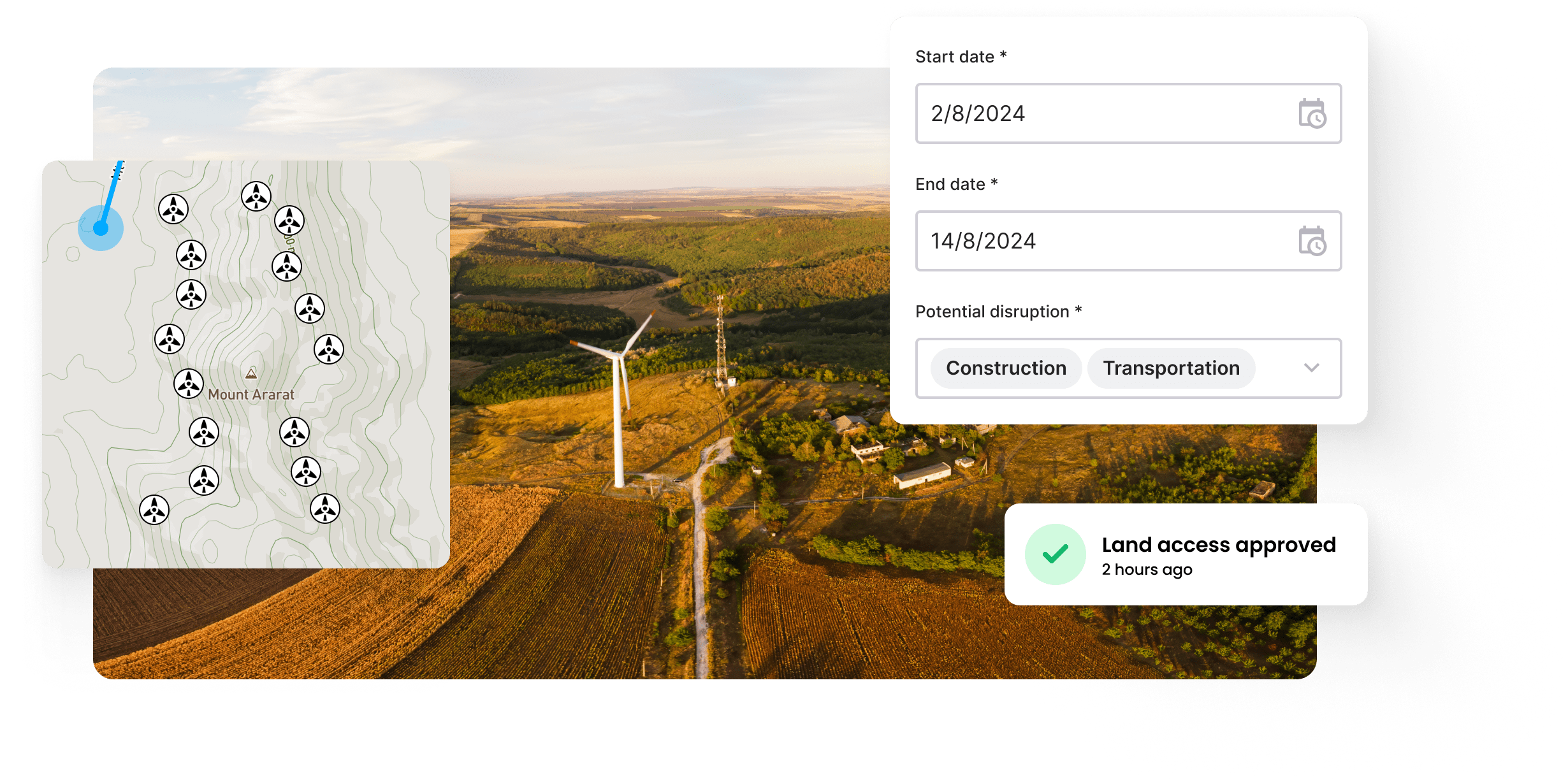
Initiate clear communication between utility companies and landowners, discussing access requirements, duration, and potential disruptions. Utilize technology for transparent and efficient communication, capturing details through email or dedicated land access platforms.
Site assessment and planning
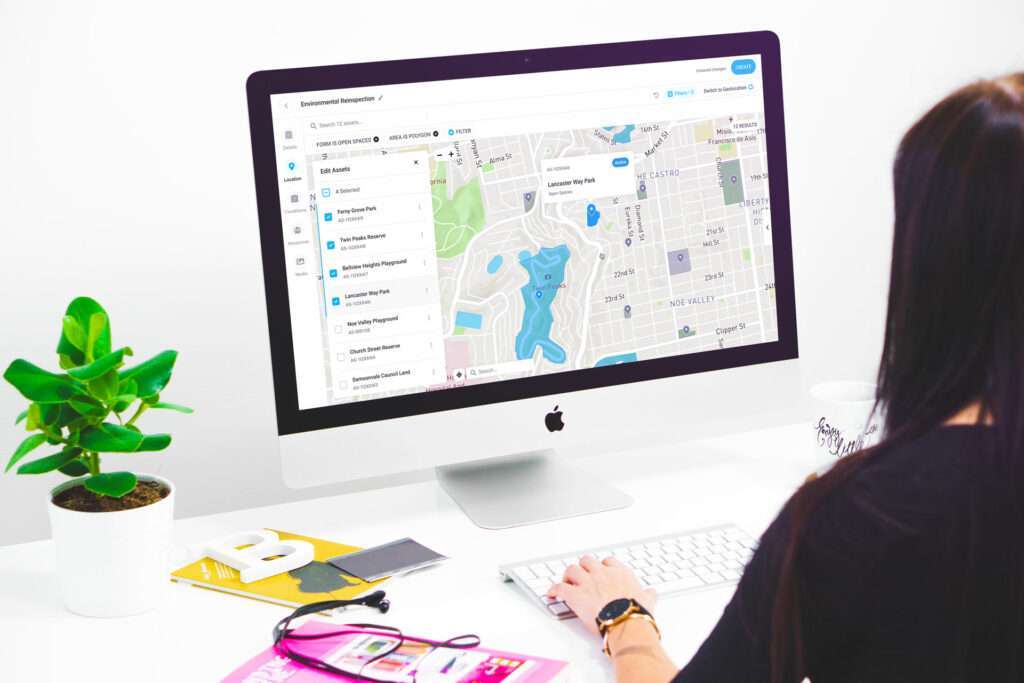
Conduct a comprehensive site assessment, utilizing technology like GIS and satellite imagery to map the area, identify optimal routes, and minimize impact on the land. Use digital tools to document findings and share with the landowner for approval.
Permitting and approvals
Obtain necessary permits and approvals by leveraging technology to streamline the process. Centralize permit applications, automate document submissions, and track approval progress digitally for efficiency and transparency.
Site access and documentation
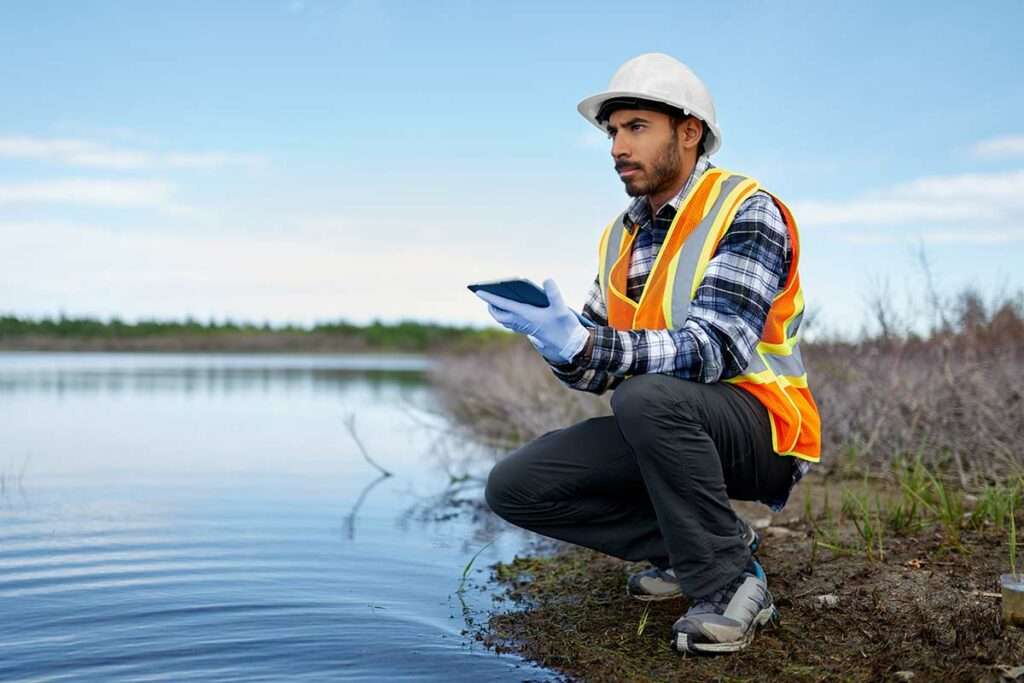
Commence work on the site, capturing activities, installations, maintenance, and inspections digitally. Utilize mobile applications or cloud-based platforms for real-time communication and immediate reporting of incidents or changes.
Post-access review and closure
Conduct a post-access review to evaluate the process, gather feedback, and address concerns. Leverage technology for surveys and feedback forms. Archive documentation and settle financial obligations promptly.
Benefits of using Gruntify for Land Access Management
By following this workflow and embracing technology, utility companies and workers can collaborate effectively with landowners, minimize disruptions, improve efficiency, and foster a sustainable relationship.
“Our goal using Gruntify is to adopt a ‘control room’ model for a fully automated mobile workforce. Instead of constant manual intervention, we will have full visibility using dashboards and exception reporting.”
Kerry Nohlmans
Project Manager, Citywide
Join the ever-growing number of customers who use Gruntify for Land Access Management